How to Lose Belly Fat: The Complete Science-Backed Guide
Introduction
Losing belly fat becomes easier with expert guidance. If you're looking for a reliable fitness companion, you can download the Fitsorate app for personalized fitness plans, workouts, nutrition tips, and healthy lifestyle support to achieve lasting transformation naturally today.
Get the Fitsorate App Here
Get personalized fitness plans, track your calories, and build healthy habits with the Fitsorate companion app.
Click here to download on:


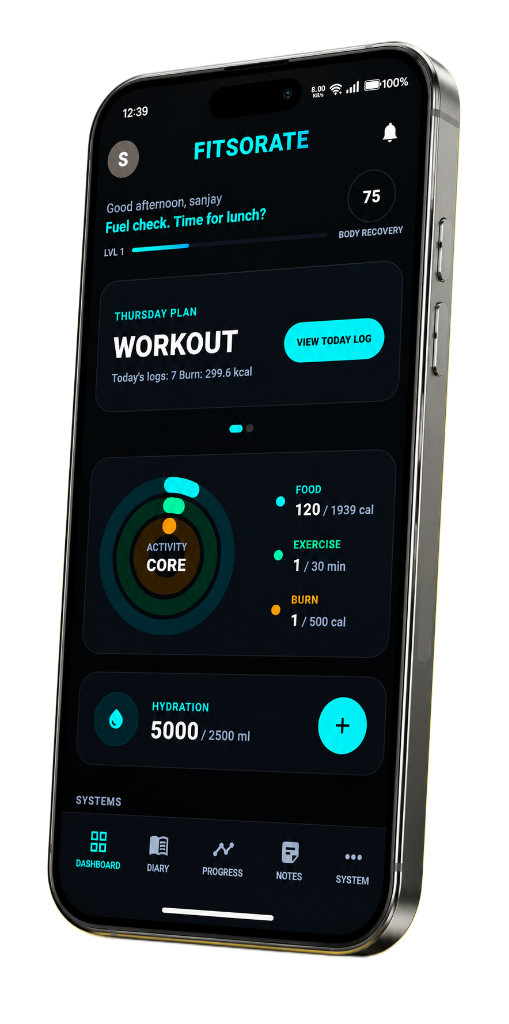
Explore fitsorate.com to discover personalized workout plans, expert nutrition guidance, weight management programs, healthy lifestyle tips, and fitness solutions designed to help beginners and experienced fitness enthusiasts achieve their goals efficiently.
What Is Belly Fat?
Belly fat is the excess body fat stored around the abdomen. While a small amount of fat is essential for protecting internal organs and supporting normal body functions, excessive abdominal fat can increase the risk of several health conditions, including obesity, heart disease, type 2 diabetes, fatty liver disease, high blood pressure, and metabolic disorders.
Many people believe belly fat is only a cosmetic issue, but medical experts consider it one of the most dangerous types of fat because it surrounds vital organs. Reducing abdominal fat improves both physical appearance and long-term health. Whether your goal is to achieve a flatter stomach, improve fitness, or enhance overall well-being, understanding belly fat is the first step toward successful weight loss.
Why Belly Fat Is Different From Other Body Fat
Not all body fat behaves the same way. Fat stored around the abdomen is more metabolically active than fat stored in the hips, thighs, or arms. This means abdominal fat has a greater influence on hormone balance, blood sugar regulation, inflammation, and overall health.
Excess belly fat can negatively affect:
- Insulin sensitivity
- Blood pressure
- Cholesterol levels
- Hormone production
- Energy levels
- Sleep quality
- Physical performance
- Daily mobility
Reducing belly fat is therefore beneficial not only for appearance but also for improving overall health and longevity.
"Belly fat isn't just an aesthetic concern—it is a key metabolic indicator that directly impacts your cardiovascular and hormonal health."
Types of Belly Fat
Understanding the different types of abdominal fat helps you follow the right fat-loss strategy.
1. Subcutaneous Fat
Subcutaneous fat is the soft fat located directly beneath the skin. It is the fat you can pinch with your fingers. Characteristics include:
- Soft texture
- Less dangerous than visceral fat
- Acts as an energy reserve
- Helps insulate the body
- Protects muscles and bones
Although subcutaneous fat is generally safer, excessive amounts can still contribute to obesity and reduced physical fitness.
2. Visceral Fat
Visceral fat is stored deep inside the abdomen and surrounds important organs such as the liver, pancreas, intestines, and kidneys. This type of fat is considered the most dangerous because it increases the risk of chronic diseases. High visceral fat levels are associated with:
- Type 2 diabetes
- Heart disease
- Stroke
- High cholesterol
- Fatty liver
- High blood pressure
- Hormonal imbalance
- Chronic inflammation
Unlike subcutaneous fat, visceral fat cannot be measured simply by looking in the mirror. Even people who appear relatively slim may have high visceral fat levels.
Which Type of Belly Fat Should You Focus On?
The goal is not simply losing weight—it is reducing overall body fat, particularly visceral fat. A healthy combination of exercise, proper nutrition, quality sleep, hydration, and stress management is the most effective approach. Crash diets and quick-fix solutions often reduce water weight instead of harmful body fat, leading to temporary results.
Why Belly Fat Is Dangerous
Many people focus on belly fat because they want visible abs or a slimmer waistline. However, the health benefits of reducing abdominal fat are even more significant.
Increased Risk of Heart Disease
Excess abdominal fat contributes to high cholesterol, elevated blood pressure, and inflammation, all of which increase the likelihood of cardiovascular disease.
Higher Risk of Type 2 Diabetes
Visceral fat affects how the body uses insulin. Increased insulin resistance can eventually lead to elevated blood sugar levels and diabetes.
Fatty Liver Disease
Too much belly fat increases fat accumulation around the liver, reducing liver function and increasing the risk of non-alcoholic fatty liver disease.
Hormonal Imbalance
Excess body fat influences hormones responsible for hunger, metabolism, energy, and stress. Hormonal imbalance can result in:
- Increased appetite
- Frequent cravings
- Low energy
- Poor sleep
- Slower metabolism
- Difficulty losing weight
Joint Problems
Carrying excess abdominal weight places additional pressure on knees, lower back, ankles, and hips. Weight reduction often improves mobility and decreases chronic pain.
Reduced Fitness Performance
People with excessive belly fat often experience faster fatigue, reduced endurance, lower flexibility, poor balance, and slower recovery after exercise. Reducing body fat gradually improves physical performance and stamina.
Common Causes of Belly Fat
Understanding why belly fat develops helps you prevent future weight gain.
Poor Eating Habits
Regular consumption of processed foods, sugary beverages, refined carbohydrates, and excessive calories contributes significantly to abdominal fat accumulation. Examples include soft drinks, sugary coffee beverages, fried foods, fast food, packaged snacks, bakery products, candy, and ice cream.
Lack of Physical Activity
A sedentary lifestyle slows calorie expenditure, allowing excess calories to be stored as body fat. Simple activities such as walking, cycling, strength training, or home workouts can significantly improve calorie burning.
Poor Sleep
Sleeping less than the recommended amount can disrupt hormones that regulate hunger and fullness. Poor sleep often leads to increased appetite, late-night snacking, low energy, reduced exercise performance, and slower fat loss.
Chronic Stress
Long-term stress elevates cortisol levels, which may encourage fat storage around the abdominal region. Managing stress through exercise, meditation, relaxation, hobbies, and adequate sleep supports healthier weight management.
Aging
As people age, muscle mass naturally decreases while metabolism slows. Maintaining regular strength training and consuming adequate protein become increasingly important for preserving lean muscle and supporting fat loss.
Hormonal Changes
Hormonal fluctuations related to aging, pregnancy, menopause, thyroid disorders, or certain medical conditions can influence fat distribution. Professional medical evaluation is recommended if unexplained weight gain occurs.
Signs You Should Focus on Losing Belly Fat
While everyone has different body shapes, certain indicators suggest it's time to prioritize abdominal fat reduction. Common signs include:
- Increasing waist circumference
- Tight-fitting clothes around the waist
- Low daily energy
- Shortness of breath during physical activity
- Difficulty climbing stairs
- Frequent fatigue
- Poor posture
- Reduced confidence
- Elevated blood sugar levels
- High blood pressure
- Poor fitness endurance
Recognizing these signs early allows you to adopt healthier habits before more serious health complications develop.
Why a Sustainable Approach Works Best
Many people search for ways to lose belly fat in 7 days or lose belly fat overnight. Although rapid transformations are heavily advertised online, sustainable fat loss requires patience and consistency. Healthy weight loss focuses on balanced nutrition, regular exercise, strength training, cardiovascular activity, adequate hydration, quality sleep, stress management, and consistent healthy habits. When these habits become part of your lifestyle, belly fat reduction becomes more achievable and easier to maintain over the long term.
The Science of Fat Loss: How Your Body Actually Burns Belly Fat
Many people believe that hundreds of sit-ups, sweating more, or following extreme diets will melt belly fat quickly. In reality, fat loss is a scientific process. Understanding how your body uses energy helps you choose strategies that deliver long-term results instead of temporary weight loss.
When you understand the basics of calorie balance, metabolism, muscle building, and fat burning, losing belly fat becomes much easier and more sustainable.
What Is Fat Loss?
Fat loss is the process of reducing stored body fat by using more energy than your body receives from food. When this happens consistently, your body begins using stored fat as fuel. This process gradually reduces belly fat, waist size, body fat percentage, visceral fat, and overall body weight.
True fat loss is different from simply losing water weight. Many crash diets produce rapid weight changes because of water loss, but the fat often remains. Healthy fat loss focuses on preserving muscle while reducing excess fat.
Understanding Calories
A calorie is simply a unit of energy. Everything you eat provides calories that your body uses for breathing, walking, thinking, digestion, exercise, muscle repair, organ function, and daily activities.
If you consume more calories than your body needs, the extra energy is stored as body fat. If you consume fewer calories than your body burns, your body starts using stored fat for energy. This is the foundation of successful weight loss.
What Is a Calorie Deficit?
A calorie deficit occurs when you burn more calories than you consume. For example:
- Daily calories burned: 2,300
- Daily calories eaten: 1,900
- Daily calorie deficit: 400 calories
Maintaining a reasonable calorie deficit consistently can lead to gradual and healthy fat loss. A moderate calorie deficit is generally easier to maintain than an extreme one because it supports energy levels, workout performance, and muscle preservation.
Why Crash Diets Usually Fail
Many people search for terms like "lose belly fat in 7 days," "fast weight loss," "extreme fat burning diet," or "quick belly fat removal." Although these methods may produce temporary weight loss, they often cause:
- Muscle loss
- Low energy
- Nutrient deficiencies
- Slow metabolism
- Constant hunger
- Weight regain
Healthy fat loss should focus on building habits that can be maintained for months and years rather than days.
How Metabolism Works
Metabolism refers to all the chemical processes your body performs to convert food into usable energy. Your metabolism keeps working even while you sleep. Your body burns calories for heart function, brain activity, breathing, digestion, maintaining body temperature, muscle recovery, and cell repair.
A healthy metabolism supports efficient energy use, but it does not eliminate the need for balanced eating and regular exercise.
Factors That Affect Metabolism
Several factors influence how many calories your body burns each day:
- Age: Metabolism generally slows with age because muscle mass naturally decreases if it is not maintained through physical activity.
- Muscle Mass: Muscle tissue requires more energy than fat tissue. People with greater muscle mass generally burn more calories throughout the day, even while resting. This is one reason strength training is highly recommended during weight loss.
- Physical Activity: Walking, cycling, swimming, resistance training, sports, and daily movement all increase calorie expenditure. Even small lifestyle changes like taking stairs instead of elevators contribute to daily calorie burn.
- Sleep Quality: Insufficient sleep may increase hunger hormones and reduce motivation for exercise. Good sleep supports recovery, hormone balance, and healthy metabolism.
- Nutrition: A balanced diet containing sufficient protein, fiber, vitamins, minerals, and healthy fats supports normal metabolic function. Skipping meals repeatedly or following very restrictive diets may reduce energy levels and make long-term weight management more difficult.
What Is Basal Metabolic Rate (BMR)?
Basal Metabolic Rate (BMR) is the number of calories your body needs each day to perform basic life functions while completely at rest. These functions include breathing, blood circulation, brain activity, organ function, and body temperature regulation. BMR usually accounts for the largest portion of daily calorie expenditure. Understanding BMR helps estimate daily calorie requirements for weight maintenance or fat loss.
Total Daily Energy Expenditure (TDEE)
Your Total Daily Energy Expenditure (TDEE) includes Basal Metabolic Rate, exercise, walking, household activities, digestion, and daily movement. Knowing your approximate TDEE allows you to create a realistic calorie deficit without extreme dieting.
Does Sweating Burn More Fat?
One of the most common misconceptions is that sweating equals fat loss. Sweating mainly helps regulate body temperature. After an intense workout, the weight lost through sweat is mostly water. Once you drink fluids again, that weight usually returns. Real fat loss occurs through a sustained calorie deficit—not through excessive sweating.
Can You Target Belly Fat With Exercises?
Many people believe hundreds of crunches or sit-ups will remove stomach fat. Unfortunately, this is a myth. Exercises strengthen abdominal muscles, but they do not specifically burn fat from one area of the body. As your overall body fat decreases through proper nutrition and exercise, your belly gradually becomes leaner. This concept is known as spot reduction, and scientific evidence does not support it.
Why Spot Reduction Is a Myth
Your body decides where fat is stored and where it is lost based on genetics, hormones, and overall body composition. For some people, belly fat disappears first. For others, the face becomes slimmer first, arms lose fat first, legs become leaner first, or the waist reduces later. Patience and consistency are essential. Trying to target one specific body part rarely produces the desired results.
The Importance of Building Muscle
Strength training is often overlooked during weight loss. However, building lean muscle offers several benefits: it increases strength, improves posture, supports metabolism, helps preserve muscle while dieting, enhances body shape, improves physical performance, and makes long-term weight maintenance easier. You do not need to become a bodybuilder to benefit from resistance training. Simple exercises performed consistently are enough for beginners.
Cardio vs Strength Training
Both forms of exercise have important roles:
- Cardio Helps: Burn calories, improve heart health, increase endurance, support fat loss, and improve lung capacity. Examples include walking, running, cycling, swimming, and skipping rope.
- Strength Training Helps: Build muscle, improve bone health, increase strength, preserve lean body mass, and improve body composition.
The most effective fitness plans combine both forms of exercise.
Why Protein Matters During Fat Loss
Protein is one of the most important nutrients when trying to lose belly fat. Protein helps preserve muscle, increase fullness, support recovery, reduce hunger, improve workout performance, and assist healthy body composition. Common protein-rich foods include eggs, chicken, fish, Greek yogurt, cottage cheese, lentils, beans, tofu, milk, and soy products.
Hydration and Fat Loss
Water supports many essential body functions. Proper hydration helps maintain energy, support exercise performance, improve digestion, regulate body temperature, and reduce dehydration. Although drinking water alone does not directly burn fat, staying hydrated supports an active and healthy lifestyle.
Beginner Fat Loss Strategy
If you're just starting your fitness journey, keep your approach simple and consistent. Focus on:
- Eating balanced meals
- Maintaining a moderate calorie deficit
- Consuming enough protein
- Walking daily
- Performing strength training regularly
- Including cardio several times each week
- Sleeping 7–9 hours
- Staying hydrated
- Managing stress
- Tracking your progress monthly instead of daily
Small improvements repeated consistently produce better long-term results than short periods of extreme dieting.
Key Takeaways
Successful belly fat loss is based on science—not shortcuts. A calorie deficit, balanced nutrition, strength training, regular cardio, quality sleep, hydration, and consistency work together to reduce body fat over time. Instead of chasing quick fixes, focus on building healthy habits that support lasting fitness and overall well-being.
Best Diet to Lose Belly Fat: Complete Nutrition Guide for Healthy Weight Loss
Exercise plays an important role in reducing body fat, but nutrition is the foundation of every successful weight-loss journey. You cannot out-train a poor diet. The foods you eat every day influence your calorie intake, metabolism, energy levels, muscle recovery, hormones, and overall health.
A balanced diet does not mean starving yourself or avoiding all your favorite foods. Instead, it means choosing nutritious foods in the right portions while maintaining a sustainable calorie deficit.
Why Diet Matters More Than Exercise
Many people spend hours in the gym but struggle to lose belly fat because they overlook their eating habits. A healthy diet helps you:
- Reduce overall calorie intake
- Preserve lean muscle mass
- Improve digestion
- Support metabolism
- Increase energy levels
- Reduce cravings
- Control hunger
- Improve workout performance
- Maintain long-term weight loss
Combining healthy eating with regular exercise produces the best results.
What Is a Balanced Diet?
A balanced diet provides your body with all the essential nutrients it needs to function properly. Your daily meals should include:
- High-quality protein
- Complex carbohydrates
- Healthy fats
- Fiber-rich foods
- Vitamins
- Minerals
- Plenty of water
Each nutrient plays a different role in supporting fat loss and overall health.
Why Protein Is Essential for Belly Fat Loss
Protein is one of the most important nutrients during weight loss because it helps preserve muscle while reducing body fat. Benefits of protein include:
- Keeps you full for longer
- Reduces unnecessary snacking
- Supports muscle recovery
- Helps maintain lean muscle
- Improves workout performance
- Increases the thermic effect of food (the body burns more calories digesting protein than carbohydrates or fats)
Aim to include a protein source in every meal.
Best High-Protein Foods
Choose a variety of protein-rich foods such as:
Animal-Based Protein
- Eggs
- Chicken breast
- Turkey
- Fish (Salmon, Tuna)
- Lean beef
- Greek yogurt
- Cottage cheese
- Milk
Plant-Based Protein
- Lentils
- Chickpeas
- Kidney beans
- Black beans
- Soybeans
- Tofu
- Tempeh
- Edamame
- Quinoa
Eating enough protein supports healthy body composition while helping reduce hunger.
Healthy Carbohydrates: Friend, Not Enemy
Many people avoid carbohydrates completely, believing they cause weight gain. In reality, carbohydrates are your body's preferred energy source. The key is choosing the right type.
Best Complex Carbohydrates
- Brown rice
- Oats
- Sweet potatoes
- Whole wheat bread and pasta
- Millets
- Quinoa
- Barley
- Whole-grain cereals
Complex carbohydrates digest more slowly, helping maintain stable blood sugar levels and longer-lasting energy.
Refined Carbohydrates to Limit
Try to reduce foods such as white bread, white rice in excessive portions, cakes, pastries, sugary cereals, cookies, candy, and sugary desserts. These foods are often high in calories while providing fewer nutrients.
Healthy Fats Help You Lose Fat
Healthy fats are essential for hormone production, brain function, and nutrient absorption. They also help increase satiety.
Healthy Fat Sources
- Avocados
- Almonds, Walnuts, Pistachios, and Peanuts
- Chia seeds, Flaxseeds, and Pumpkin seeds
- Olive oil
- Fatty fish
Healthy fats should be eaten in moderation because they are calorie-dense.
The Importance of Fiber
Fiber supports digestion and helps you feel full for longer. High-fiber foods include vegetables, fruits, oats, beans, lentils, whole grains, chia seeds, and flaxseeds. Benefits of fiber include:
- Better digestion
- Reduced hunger
- Improved gut health
- Stable blood sugar
- Easier weight management
Most adults benefit from increasing their daily fiber intake through whole foods.
Best Vegetables for Fat Loss
Vegetables are naturally low in calories and rich in vitamins, minerals, and fiber. Excellent choices include spinach, broccoli, cauliflower, cabbage, bell peppers, carrots, cucumbers, tomatoes, lettuce, green beans, mushrooms, and zucchini. Try filling at least half your plate with vegetables at lunch and dinner.
Best Fruits for Weight Loss
Fruit provides natural sweetness along with fiber, antioxidants, and essential nutrients. Healthy options include apples, oranges, berries, watermelon, papaya, kiwi, pears, grapefruit, guava, and pomegranate. Whole fruits are generally a better choice than fruit juices because they contain more fiber and are more filling.
Hydration and Weight Management
Water is essential for every function in the body. Proper hydration supports digestion, nutrient transport, exercise performance, temperature regulation, recovery, and overall health. Many people mistake thirst for hunger, leading to unnecessary snacking. Drinking water regularly throughout the day may help improve appetite awareness.
How Many Meals Should You Eat?
There is no single perfect meal frequency. Some people prefer three balanced meals daily, while others prefer three meals with healthy snacks. The best meal pattern is the one you can follow consistently while meeting your nutritional needs.
Healthy Snack Ideas
Instead of processed snacks, choose options such as:
- Greek yogurt
- Boiled eggs
- Fresh fruit
- Mixed nuts
- Roasted chickpeas
- Cottage cheese
- Vegetable sticks with hummus
- Unsweetened popcorn
- Protein smoothies made with whole-food ingredients
Healthy snacks help manage hunger between meals.
Sample Belly Fat Loss Meal Plan
Breakfast
- Oatmeal with berries and almonds
- Two boiled eggs
- Unsweetened green tea or black coffee
Mid-Morning Snack
- Apple
- Handful of almonds
Lunch
- Grilled chicken or tofu
- Brown rice or quinoa
- Mixed vegetables
- Fresh salad
Evening Snack
- Greek yogurt
- Seeds or mixed berries
Dinner
- Grilled fish or lentil curry
- Steamed vegetables
- Small portion of whole grains
Before Bed (Optional)
- Warm milk, cottage cheese, or plain Greek yogurt
Portion Control Matters
Even healthy foods contain calories. Simple portion-control strategies include:
- Use smaller plates.
- Eat slowly.
- Avoid eating directly from large packages.
- Stop eating when comfortably full.
- Include vegetables with every meal.
- Measure calorie-dense foods like nuts and oils.
Mindful eating reduces overeating without feeling deprived.
Should You Count Calories?
Calorie tracking can help some people better understand their eating habits. However, it is not necessary for everyone. Focus first on eating whole foods, increasing protein, controlling portions, limiting processed foods, and staying active. These habits often improve nutrition without needing to track every calorie.
Best Drinks for Weight Loss
Healthy beverage choices include water, sparkling water (without added sugar), green tea, black coffee (without excess sugar), herbal tea, lemon water, and coconut water (in moderation). Limiting sugary beverages can significantly reduce daily calorie intake.
Eating Out Without Gaining Weight
You can still enjoy restaurant meals while working toward your goals. Helpful tips include: choosing grilled instead of fried foods, ordering vegetables as a side, requesting sauces separately, drinking water instead of sugary drinks, avoiding oversized portions, and sharing desserts if desired. Healthy eating is about balance—not perfection.
Building Sustainable Eating Habits
The most successful diets are the ones you can maintain long term. Focus on:
- Consistency over perfection
- Whole, minimally processed foods
- Balanced meals
- Regular meal timing
- Proper hydration
- Enjoying occasional treats in moderation
Small daily improvements create lasting results.
Key Takeaways
A healthy diet is the cornerstone of successful belly fat loss. Prioritizing high-protein foods, complex carbohydrates, healthy fats, fiber-rich vegetables, fruits, and proper hydration supports sustainable weight loss while improving overall health. Instead of following restrictive fad diets, build balanced eating habits that you can maintain for life.
Best Foods to Eat and Foods to Avoid for Belly Fat Loss
Choosing the right foods consistently is one of the most effective ways to reduce belly fat and improve overall health. Every meal is an opportunity to provide your body with nutrients that support fat loss, muscle recovery, better digestion, and long-lasting energy.
Rather than focusing on a short-term diet, aim to build healthy eating habits that you can maintain for years. Sustainable nutrition leads to sustainable results.
Best Foods to Eat for Belly Fat Loss
There is no single "fat-burning food" that magically melts belly fat. However, nutrient-dense foods help create a calorie deficit while keeping you satisfied and energized.
1. Eggs
Eggs are among the best high-protein breakfast foods. Benefits include:
- Rich in high-quality protein
- Helps control hunger
- Supports muscle growth
- Easy to prepare
- Keeps you full longer
They can be enjoyed boiled, scrambled, or in omelets with vegetables.
2. Chicken Breast
Skinless chicken breast is an excellent lean protein source. Benefits include:
- High protein
- Low fat
- Supports muscle recovery
- Keeps calories under control
Grilled, baked, or air-fried chicken is a healthier choice than deep-fried versions.
3. Fish
Fish provides protein along with healthy omega-3 fatty acids. Best choices include salmon, tuna, sardines, mackerel, and cod. Benefits include:
- Supports heart health
- Reduces inflammation
- Aids muscle recovery
- High-quality protein source
Aim to include fish in your weekly meal plan when possible.
4. Oats
Oats are one of the healthiest breakfast carbohydrates. Benefits include:
- Rich in fiber
- Supports digestion
- Keeps you full
- Provides steady energy
Choose plain oats instead of flavored varieties with added sugar.
5. Greek Yogurt
Greek yogurt contains more protein than regular yogurt. Benefits include:
- Supports gut health
- High protein
- Calcium-rich
- Great snack option
Choose unsweetened varieties whenever possible.
6. Lentils and Beans
Plant-based protein sources such as lentils, chickpeas, kidney beans, and black beans provide protein, fiber, iron, and complex carbohydrates. These foods support satiety while helping maintain healthy digestion.
7. Sweet Potatoes
Sweet potatoes are nutrient-rich carbohydrates. Benefits include:
- High fiber
- Vitamin A
- Potassium
- Slow digestion
- Long-lasting energy
Bake, steam, or boil them instead of frying.
8. Green Leafy Vegetables
Examples include spinach, kale, lettuce, fenugreek leaves, and mustard greens. Benefits include:
- Low calories
- Rich vitamins
- High fiber
- Supports digestion
Adding vegetables to every meal naturally reduces overall calorie density.
9. Berries
Healthy options include blueberries, strawberries, raspberries, and blackberries. Benefits include:
- High antioxidants
- Fiber-rich
- Naturally sweet
- Low calorie
They make excellent snacks or breakfast toppings.
10. Nuts and Seeds
Healthy choices include almonds, walnuts, pistachios, chia seeds, flaxseeds, and pumpkin seeds. These foods provide healthy fats and minerals but should be eaten in moderate portions because they are calorie-dense.
Best Foods for a Healthy Metabolism
A healthy metabolism is supported by balanced nutrition rather than miracle foods. Include lean protein, whole grains, fruits, vegetables, healthy fats, and plenty of water. Regular meals combined with physical activity support normal metabolic function.
Foods That May Increase Belly Fat
Some foods are easy to overeat because they are high in calories and low in nutrients. Reducing these foods can support healthy weight management.
Sugary Drinks
Common examples include soft drinks, sweetened iced tea, energy drinks, sweetened fruit beverages, and milkshakes. These drinks often provide many calories without making you feel full. Replacing them with water or unsweetened beverages is a simple step toward reducing calorie intake.
Fast Food
Many fast-food meals are high in calories, saturated fat, sodium, and refined carbohydrates. Frequent consumption may contribute to weight gain when combined with excess calorie intake. Whenever possible, choose grilled options, salads, or homemade meals instead.
Fried Foods
Examples include French fries, fried chicken, fried snacks, and fried pastries. Frying significantly increases calorie content due to added oil. Limiting fried foods supports better overall nutrition.
Packaged Snacks
Common processed snacks include potato chips, cheese puffs, crackers, and sweet biscuits. These foods are often easy to overeat while providing limited nutritional value. Healthier snack alternatives include fruit, yogurt, or roasted chickpeas.
Sugary Desserts
Examples include cakes, doughnuts, pastries, cookies, ice cream, and candy. Enjoy desserts occasionally rather than making them part of your daily routine.
How Much Sugar Is Too Much?
Excess added sugar can increase total calorie intake. Major sources include soft drinks, sweet coffee beverages, candy, bakery products, sweetened cereals, and packaged desserts. Reading nutrition labels helps you become more aware of added sugars in everyday foods. Choosing naturally sweet foods like fruit can satisfy cravings while providing fiber and nutrients.
Is Fast Food Always Bad?
Occasional fast-food meals can fit into a balanced lifestyle if eaten in moderation. Healthier choices include grilled chicken sandwiches, salad with lean protein, burrito bowls with vegetables, grilled wraps, and water instead of sugary drinks. Balance is more important than complete restriction.
Healthy Cooking Methods
Preparing food at home allows greater control over ingredients and portions. Healthier cooking methods include grilling, baking, steaming, air frying, roasting, boiling, and stir-frying with minimal oil. These methods often reduce excess calories while preserving nutrients.
Understanding Cheat Meals
Many people wonder whether cheat meals ruin weight-loss progress. The answer depends on frequency and portion size. An occasional enjoyable meal is unlikely to undo weeks of healthy habits. However, frequent overeating can make maintaining a calorie deficit more difficult. Instead of thinking in terms of "cheating," consider enjoying favorite foods mindfully and returning to healthy eating afterward.
Smart Cheat Meal Tips
- Plan cheat meals instead of eating impulsively.
- Enjoy one meal—not an entire cheat day.
- Eat slowly.
- Stop when comfortably full.
- Return to your regular eating pattern at the next meal.
Healthy eating is about consistency, not perfection.
Portion Control Tips
Even nutritious foods can contribute to excess calorie intake if portions become too large. Helpful strategies include:
- Use smaller plates.
- Measure calorie-dense foods.
- Fill half your plate with vegetables.
- Eat protein first.
- Avoid distractions while eating.
- Chew food slowly.
- Listen to hunger and fullness cues.
Mindful eating often reduces overeating naturally.
Grocery Shopping Tips
Shopping with a plan makes healthy eating easier. Before going to the store:
- Prepare a shopping list.
- Avoid shopping while hungry.
- Focus on fresh foods.
- Buy lean protein.
- Choose whole grains.
- Stock healthy snacks.
- Read nutrition labels.
Keeping nutritious foods at home supports better daily choices.
Meal Preparation for Busy People
Meal prep saves time and helps avoid unhealthy last-minute decisions. Simple ideas include:
- Cook chicken in advance.
- Prepare chopped vegetables.
- Boil eggs.
- Portion healthy snacks.
- Cook rice or quinoa for several days.
- Store meals in containers.
Planning ahead makes healthy eating more convenient.
Emotional Eating
Many people eat not because they are hungry but because they are stressed, bored, or emotional. Instead of automatically reaching for food, consider:
- Going for a walk
- Drinking water
- Reading
- Calling a friend
- Exercising
- Practicing meditation
- Journaling
Recognizing emotional eating patterns is an important step toward healthier habits.
Healthy Habits That Support Nutrition
Nutrition works best when combined with a healthy lifestyle. Daily habits include eating balanced meals, drinking enough water, exercising regularly, sleeping well, managing stress, limiting processed foods, and staying physically active throughout the day. These habits work together to support long-term fat loss and overall wellness.
Key Takeaways
Successful belly fat loss depends on consistent food choices rather than strict dieting. Prioritize lean protein, vegetables, fruits, whole grains, healthy fats, and fiber-rich foods, while limiting sugary drinks, fast food, fried items, and highly processed snacks. Smart portion control, meal preparation, and balanced eating habits create a sustainable foundation for lasting weight loss.
Sleep, Stress & Lifestyle: The Hidden Keys to Losing Belly Fat
Many people focus only on diet and exercise when trying to lose belly fat. While both are essential, lifestyle habits such as quality sleep, stress management, recovery, hydration, and daily movement have a major impact on long-term fat loss.
You can follow the perfect workout plan and eat healthy meals, but poor sleep, chronic stress, and unhealthy habits can slow your progress. A complete fitness transformation requires balancing every aspect of your lifestyle.
Why Sleep Is Important for Belly Fat Loss
Sleep is your body's recovery period. During sleep, your muscles repair, hormones balance, and your body prepares for the next day. Adults should generally aim for 7–9 hours of quality sleep each night. Good sleep supports:
- Muscle recovery
- Healthy metabolism
- Hormone balance
- Better workout performance
- Improved focus
- Stable energy levels
- Appetite regulation
- Long-term weight management
People who consistently sleep well often find it easier to maintain healthy habits.
How Poor Sleep Affects Weight Loss
Lack of sleep can make healthy eating much harder. Poor sleep may lead to:
- Increased hunger
- More food cravings
- Reduced motivation to exercise
- Lower energy levels
- Poor recovery after workouts
- Increased snacking
- Difficulty concentrating
- Reduced physical performance
Even one night of poor sleep can influence your food choices the following day.
Sleep and Hunger Hormones
Two important hormones help regulate appetite:
Ghrelin
Ghrelin signals hunger. When you don't sleep enough, ghrelin levels may increase, making you feel hungrier than usual.
Leptin
Leptin signals fullness. Poor sleep may reduce leptin levels, making it more difficult to recognize when you've eaten enough. This combination often leads to overeating.
Tips for Better Sleep
Improving sleep quality doesn't require complicated routines. Simple habits include:
- Maintain a consistent bedtime.
- Wake up at the same time daily.
- Avoid heavy meals before bed.
- Keep your bedroom cool and comfortable.
- Reduce screen time before sleeping.
- Limit caffeine late in the day.
- Stay physically active.
- Create a relaxing bedtime routine.
Small improvements in sleep quality can positively affect energy and recovery.
Understanding Stress
Stress is a normal part of life. Short-term stress helps the body respond to challenges. However, chronic stress may affect eating habits, recovery, and overall well-being. Learning healthy ways to manage stress supports both mental and physical health.
How Stress Can Affect Belly Fat
When people experience ongoing stress, they often eat more comfort foods, skip workouts, sleep poorly, feel mentally exhausted, and lose motivation. Over time, these behaviors may contribute to weight gain. Managing stress helps maintain consistency with healthy habits.
What Is Cortisol?
Cortisol is commonly known as the stress hormone. It plays many important roles, including regulating blood sugar, supporting metabolism, helping the body respond to stress, managing inflammation, and maintaining energy balance. Normal cortisol levels are essential for health. Problems may arise when stress remains elevated for long periods.
Healthy Ways to Reduce Stress
Everyone experiences stress differently. Helpful strategies include:
- Walking outdoors
- Regular exercise
- Deep breathing
- Meditation
- Yoga
- Reading books
- Spending time with family
- Listening to music
- Practicing hobbies
- Limiting unnecessary screen time
Stress management is an ongoing habit rather than a one-time solution.
Why Recovery Is Essential
Many beginners believe exercising every single day without rest leads to faster fat loss. In reality, recovery is when your body becomes stronger. Proper recovery supports muscle repair, improved performance, reduced injury risk, better energy, stronger workouts, and long-term consistency. Ignoring recovery often increases fatigue and reduces motivation.
Signs You Need More Recovery
Your body may need additional rest if you experience constant fatigue, poor workout performance, persistent muscle soreness, difficulty sleeping, lack of motivation, frequent illness, or joint discomfort. Listening to your body helps prevent overtraining.
Active Recovery
Recovery doesn't always mean complete rest. Active recovery includes light movement such as walking, gentle cycling, stretching, yoga, and mobility exercises. These activities improve circulation without placing excessive stress on the body.
Why Daily Movement Matters
Even if you exercise for one hour each day, spending the remaining hours sitting may reduce overall calorie expenditure. Simple daily movement helps increase activity levels. Examples include walking after meals, taking stairs, standing while working, house cleaning, gardening, playing with children, and cycling short distances. Every movement contributes to your overall health.
Understanding NEAT
NEAT stands for Non-Exercise Activity Thermogenesis. It refers to calories burned during everyday activities outside structured exercise, such as walking around the house, shopping, cooking, cleaning, standing, carrying groceries, and performing household chores. Increasing NEAT is an effective way to support healthy calorie expenditure.
Why Hydration Supports Fitness
Water is involved in nearly every process within the body. Proper hydration supports digestion, exercise performance, nutrient transport, temperature regulation, joint health, recovery, and overall wellness. Carry a reusable water bottle throughout the day to make hydration easier.
Morning Habits That Support Fat Loss
A healthy morning routine can improve consistency. Consider waking up at a regular time, drinking water, eating a balanced breakfast, getting natural sunlight, taking a short walk, stretching, planning healthy meals, and staying active throughout the day. Good mornings often lead to healthier daily decisions.
Evening Habits for Better Recovery
Healthy evening routines prepare your body for restful sleep. Helpful habits include finishing dinner a few hours before bedtime, limiting caffeine in the evening, reducing bright screens, stretching lightly, reading a book, and practicing relaxation techniques. Consistency improves sleep quality over time.
Healthy Lifestyle Habits for Long-Term Success
Long-term fat loss is built through daily routines. Focus on: balanced meals, regular exercise, strength training, walking daily, drinking enough water, quality sleep, stress management, limiting alcohol, avoiding smoking, and maintaining a positive mindset. These habits support sustainable health beyond simply losing weight.
Building Consistency
Motivation comes and goes. Successful people rely on routines rather than temporary motivation. Helpful strategies include:
- Schedule workouts.
- Prepare meals ahead of time.
- Track progress monthly.
- Set realistic goals.
- Celebrate small achievements.
- Stay patient.
- Focus on long-term health instead of quick fixes.
Consistency always produces better results than perfection.
Creating Healthy Habits
Habits become easier when repeated regularly, such as drinking water after waking up, walking after lunch, exercising at the same time daily, preparing healthy snacks, and sleeping on a consistent schedule. Small habits repeated over months create major transformations.
The Importance of Mental Health
Physical fitness and mental well-being are closely connected. Taking care of your mental health helps improve motivation, confidence, stress management, sleep quality, daily productivity, and overall quality of life. Healthy living is about feeling better—not just looking better.
Key Takeaways
Diet and exercise are only part of the fat-loss journey. Quality sleep, stress management, proper recovery, hydration, daily movement, and consistent healthy habits play an equally important role in reducing belly fat and improving overall fitness. When these lifestyle factors work together, maintaining a healthy weight becomes much easier and more sustainable.
Biggest Belly Fat Mistakes, Weight Loss Myths & Supplements Explained
One of the biggest reasons people struggle to lose belly fat is misinformation. Every day, social media, advertisements, and trending videos promote "miracle" diets, fat-burning drinks, detox teas, and supplements that promise rapid results.
The truth is that sustainable fat loss comes from consistent habits—not shortcuts. Understanding the most common mistakes and separating facts from myths will save you time, money, and frustration.
Biggest Mistakes That Slow Belly Fat Loss
Avoiding these common mistakes can significantly improve your progress.
1. Skipping Meals
Many people believe skipping breakfast or lunch helps them lose weight faster. However, skipping meals may lead to:
- Increased hunger later
- Overeating at dinner
- Low energy
- Poor workout performance
- Difficulty meeting nutritional needs
Balanced meals throughout the day often make healthy eating easier.
2. Eating Too Little
An extremely low-calorie diet may seem effective initially, but it is difficult to maintain. Possible effects include constant hunger, fatigue, muscle loss, poor concentration, and reduced workout performance. A moderate calorie deficit is generally more sustainable.
3. Doing Only Cardio
Cardio burns calories, but relying only on cardio while ignoring strength training can make preserving muscle more difficult. A balanced fitness routine should include resistance training, cardio, mobility work, and daily walking.
4. Ignoring Protein
Protein supports muscle maintenance, recovery, satiety, and healthy body composition. Insufficient protein intake may make weight loss more challenging.
5. Sleeping Too Little
Lack of sleep affects hunger hormones, energy levels, recovery, and motivation. Quality sleep is just as important as nutrition and exercise.
6. Expecting Instant Results
Healthy fat loss takes time. Looking for dramatic changes after only one week often leads to disappointment. Instead, focus on gradual improvements in strength, energy, fitness, waist measurements, and body composition.
7. Constantly Checking the Scale
Body weight naturally fluctuates because of water retention, food intake, sodium, and hormonal changes. Instead of weighing yourself every day, monitor waist circumference, progress photos, clothing fit, energy levels, and workout performance. These measurements often provide a clearer picture of progress.
Common Weight Loss Myths
The internet is full of misleading information. Let's separate fact from fiction.
Myth 1: You Can Lose Belly Fat in One Week
Reality: While you may lose water weight quickly, meaningful fat loss requires consistent nutrition and exercise over time.
Myth 2: Sit-Ups Burn Belly Fat
Reality: Sit-ups strengthen abdominal muscles but do not directly remove fat from the stomach. Overall body fat must decrease before abdominal muscles become more visible.
Myth 3: Sweating Means You're Burning Fat
Reality: Sweat is your body's cooling system. Losing water through sweat is not the same as losing body fat. Hydration restores most temporary weight lost through sweating.
Myth 4: Carbohydrates Always Cause Weight Gain
Reality: Whole-food carbohydrates such as oats, brown rice, fruits, vegetables, and sweet potatoes provide valuable nutrients and energy. Weight gain occurs primarily from consuming more calories than your body needs over time—not from one specific nutrient alone.
Myth 5: Fat Should Be Completely Avoided
Reality: Healthy fats are essential for hormone production, brain function, vitamin absorption, and overall health. The goal is choosing healthy fats while eating appropriate portions.
Myth 6: Detox Drinks Melt Belly Fat
Reality: No detox drink can directly burn fat. Your liver and kidneys naturally help remove waste products from your body. Drinking enough water and eating a balanced diet supports these natural processes.
Myth 7: More Exercise Is Always Better
Reality: Overtraining without enough recovery may reduce performance and increase injury risk. Rest days are an important part of any fitness program.
Do Supplements Burn Belly Fat?
Supplements are exactly what their name suggests—they supplement a healthy lifestyle. They cannot replace healthy eating, exercise, sleep, recovery, and consistency. Many products promising "rapid fat burning" have limited scientific support. Before using any supplement, consider speaking with a qualified healthcare professional, especially if you have medical conditions or take medications.
Protein Powder Explained
Protein powder can be a convenient way to increase protein intake when whole-food sources are not enough. Common options include whey protein, casein protein, soy protein, pea protein, and plant-based protein blends. Protein powder is optional—not essential. Whole foods should remain the primary source of nutrition whenever possible.
Creatine: Facts and Benefits
Creatine is one of the most researched sports nutrition supplements. It is commonly used to support high-intensity exercise performance, strength training, muscle recovery, and power output. Creatine is not a fat-burning supplement. It works best alongside regular resistance training and a balanced diet.
What About Fat Burners?
Many fat-burning supplements make impressive marketing claims. However, no supplement can replace the fundamentals of a calorie deficit, balanced nutrition, strength training, cardio, sleep, and daily movement. Be cautious of products promising unrealistic results in a very short time.
Vitamins and Minerals
Certain vitamins and minerals support overall health and normal body function. Examples include Vitamin D, Vitamin B12, Calcium, Magnesium, Iron, and Zinc. If you suspect a deficiency, seek advice from a healthcare professional rather than self-diagnosing.
Is Intermittent Fasting Good for Belly Fat?
Intermittent fasting is an eating pattern rather than a specific diet. Common schedules include 16:8, 14:10, and 12:12. Some people find intermittent fasting helpful because it naturally reduces calorie intake. Others prefer eating balanced meals throughout the day. Neither approach is automatically better—the best plan is the one you can maintain consistently while meeting your nutritional needs.
Who Should Avoid Intermittent Fasting?
Intermittent fasting may not be appropriate for everyone. People with certain medical conditions, pregnant or breastfeeding individuals, or those with a history of eating disorders should consult a qualified healthcare professional before making significant dietary changes.
Should You Eliminate Cheat Meals?
No. Completely avoiding favorite foods often makes a healthy lifestyle difficult to maintain. Instead, enjoy treats occasionally, practice portion control, return to healthy eating afterward, and focus on long-term consistency. Flexibility supports sustainable success.
Social Media Fitness Advice
Fitness content online can be motivating, but not everything is scientifically accurate. When evaluating advice, ask: Is it evidence-based? Does it promise unrealistic results? Is it encouraging healthy habits? Is the source qualified? Choose information that promotes sustainable health rather than quick fixes.
Setting Realistic Expectations
Healthy progress is different for everyone. Factors that influence results include starting body weight, activity level, nutrition, sleep, genetics, consistency, and medical conditions. Comparing yourself with others often creates unnecessary frustration. Focus on becoming healthier than you were yesterday.
Signs Your Plan Is Working
Success isn't measured only by the scale. Positive signs include:
- Increased strength
- Better endurance
- Improved sleep
- More energy
- Better mood
- Reduced waist size
- Clothes fitting better
- Healthier eating habits
- Greater confidence
- Consistent workout routine
These improvements often appear before dramatic weight changes.
Months 2–3
- Reduced waist measurements
- Increased strength
- Better body composition
- Improved confidence
Six Months and Beyond
With consistent habits, many people continue improving their fitness, strength, and overall health over time. Long-term success comes from maintaining healthy routines rather than chasing quick results.
Creating Your Personal Fitness Plan
Your plan should fit your lifestyle. Questions to consider:
- How many days can you realistically exercise?
- What healthy foods do you enjoy?
- Do you prefer home workouts or the gym?
- What time of day suits your schedule?
- What are your long-term goals?
Personalized routines are easier to maintain than unrealistic plans.
Building Healthy Habits That Last
Long-term fitness is built through repetition. Examples include:
- Drinking water first thing in the morning.
- Walking after meals.
- Including vegetables with lunch and dinner.
- Exercising at the same time each day.
- Preparing meals ahead of time.
- Sleeping consistently.
These simple habits become easier over time.
Common Challenges and Solutions
Challenge: Busy Schedule
Solution: Choose shorter workouts and prepare meals in advance.
Challenge: Lack of Motivation
Solution: Create a routine and focus on consistency rather than perfection.
Challenge: Frequent Cravings
Solution: Increase protein and fiber while staying hydrated.
Challenge: Slow Progress
Solution: Review your nutrition, activity level, and sleep habits before making major changes. Patience is often the missing ingredient.
Why Long-Term Health Matters Most
Losing belly fat is only one benefit of a healthy lifestyle. Regular exercise and balanced nutrition also support heart health, strong muscles, healthy bones, better mobility, improved mental well-being, healthy aging, increased confidence, and higher daily energy. Fitness is an investment in your future health.
Staying Consistent for Life
The most successful people are not perfect—they are consistent. Remember these principles: eat nutritious foods most of the time, stay physically active, prioritize recovery, continue learning, adjust your routine when needed, and stay patient with the process. Healthy habits become easier the longer you practice them.
Key Takeaways
Every individual loses belly fat differently based on age, gender, lifestyle, hormones, and daily habits. There is no universal timeline for success, but consistent nutrition, regular exercise, adequate sleep, stress management, and patience work for almost everyone. Build a fitness routine that fits your lifestyle, stay committed, and focus on long-term health.
30-Day Belly Fat Loss Plan: Daily Routine, Weekly Workout Schedule & Long-Term Success
Reading about fitness is helpful, but real transformation begins with consistent action. The following 30-day plan combines nutrition, exercise, hydration, sleep, and healthy lifestyle habits into a simple routine that beginners and intermediate fitness enthusiasts can follow.
Remember, this plan is designed to help you build sustainable habits—not achieve unrealistic overnight results. Progress may vary from person to person depending on age, activity level, body composition, genetics, and overall health.
Your 30-Day Belly Fat Challenge
The goal of this challenge is to create healthy habits that become part of your daily routine. For the next 30 days, commit to:
- Eat balanced meals.
- Drink enough water.
- Walk every day.
- Perform strength training regularly.
- Include cardio workouts.
- Sleep 7–9 hours.
- Reduce processed foods.
- Stay consistent.
Small improvements repeated daily create remarkable long-term results.
Week 1: Build Healthy Habits
Focus Areas: Drink more water, increase daily walking, eat protein with every meal, reduce sugary drinks, and sleep on time.
Weekly Workout Plan
- Monday: Full-body workout + 20-minute walk
- Tuesday: Brisk walking + stretching
- Wednesday: Upper-body strength training + plank exercises
- Thursday: Walking + mobility exercises
- Friday: Lower-body workout + light cardio
- Saturday: HIIT workout + stretching
- Sunday: Recovery walk + flexibility exercises
Goal: Develop consistency instead of chasing perfection.
Week 2: Increase Activity
Now begin increasing workout intensity slightly. Focus on: better workout form, higher daily step count, eating more vegetables, reducing unhealthy snacks, and maintaining hydration.
Workout Tips: Add one extra exercise to each session, walk 8,000–10,000 steps daily, increase plank duration, and improve exercise technique.
Week 3: Improve Strength and Endurance
By now your body has started adapting. Focus on: progressive overload, better nutrition, recovery, consistent sleep, and portion control.
Challenge Yourself: Increase workout weights gradually, walk faster, improve push-up repetitions, and extend cardio sessions slightly. Small progress each week creates significant long-term improvements.
Week 4: Make Fitness a Lifestyle
The final week is about creating habits you can continue after the challenge ends. Focus on: meal preparation, workout consistency, stress management, sleep quality, and recovery.
Instead of asking: "How quickly can I lose belly fat?", begin asking: "How can I stay healthy for life?" That mindset leads to lasting success.
Weekly Workout Schedule Details
Monday: Full-Body Strength
Perform a full-body strength workout including squats, push-ups, dumbbell rows, shoulder presses, and planks.
Tuesday: Cardio Day
Choose walking, cycling, swimming, or jogging for a duration of 30–45 minutes.
Wednesday: Upper Body & Core
Perform bench presses, rows, shoulder presses, biceps, and triceps, finishing with core exercises.
Thursday: Active Recovery
Participate in walking, stretching, yoga, or mobility work.
Friday: Lower Body & Core
Perform squats, lunges, Romanian deadlifts, leg presses, and calf raises, finishing with planks.
Saturday: HIIT Workout
Perform an interval session of jumping jacks, burpees, mountain climbers, high knees, and jump squats. Do 30 seconds of work followed by 30 seconds of rest. Repeat for several rounds based on your fitness level.
Sunday: Recovery & Prep
Spend time walking, stretching, relaxing, preparing meals, and planning the upcoming week's workouts. Recovery supports long-term progress.
Daily Healthy Habit Checklist
Complete as many as possible every day. Consistency is more important than checking every box perfectly.
- ☐ Drink enough water
- ☐ Eat protein with every meal
- ☐ Eat vegetables
- ☐ Walk daily
- ☐ Exercise
- ☐ Stretch
- ☐ Sleep 7–9 hours
- ☐ Limit sugary drinks
- ☐ Avoid overeating
- ☐ Manage stress
- ☐ Stay active throughout the day
- ☐ Practice portion control
Motivation Tips
There will be days when you feel highly motivated—and days when you don't. Remember: discipline keeps you moving when motivation disappears. Helpful strategies include scheduling workouts, preparing meals ahead, tracking progress monthly, exercising with friends, setting realistic goals, and celebrating small victories. Keep showing up.
How to Measure Progress
Avoid relying only on body weight. Track waist circumference, progress photos, strength improvements, endurance, energy levels, sleep quality, daily activity, and workout consistency. Often these indicators improve before major weight changes appear.
What If Progress Stops?
Weight-loss plateaus are normal. Possible solutions include: reviewing portion sizes, increasing daily activity, improving sleep, checking hydration, adding strength training, reducing processed foods, and staying patient. Plateaus are temporary when healthy habits continue.
Healthy Goals Beyond Belly Fat
Fitness is much more than appearance. Long-term goals may include better heart health, stronger muscles, improved posture, increased flexibility, more confidence, better mental health, higher energy, and healthy aging. A healthier lifestyle improves every area of life.
Building a Sustainable Lifestyle
Temporary diets create temporary results. Permanent habits create permanent change. Focus on balanced eating, daily movement, regular workouts, quality sleep, recovery, stress management, and lifelong learning. Healthy living should become part of your identity—not just a short-term project.
Staying Consistent After 30 Days
When the challenge ends, continue strength training, cardio, walking, healthy eating, meal preparation, hydration, and good sleep habits. Every month, aim to become slightly stronger, healthier, and more active than the month before. Fitness is a lifelong investment.
Final Motivation
You do not need the perfect workout. You do not need the perfect diet. You simply need consistency. Every healthy meal, every workout, every walk, every good night's sleep, and every positive decision brings you closer to your goal. Start where you are. Use what you have. Stay patient. Trust the process. Your future self will thank you.
Key Takeaways
The most effective way to lose belly fat is through consistent nutrition, regular strength training, cardio, daily movement, proper hydration, quality sleep, and patience. A structured 30-day plan helps establish healthy habits, but lasting success comes from continuing these routines for months and years. Sustainable lifestyle changes always outperform temporary diets and quick fixes.
Conclusion
Losing belly fat is not about finding a shortcut or following a trend—it is about building a healthy lifestyle that you can maintain for years. A balanced diet, regular exercise, strength training, cardio, proper hydration, quality sleep, stress management, and consistency work together to reduce body fat and improve overall health. Stay patient, trust the process, and focus on progress instead of perfection. If you're looking for expert fitness guidance, personalized workout plans, nutrition advice, and a supportive wellness platform, explore https://www.fitsorate.com/ to help you stay on track toward your fitness goals.